The Same Villa, the Next Generation: Inside Hospitality's Longest Love Affairs
Photo: Plinksport, CC BY-SA 4.0, via Wikimedia Commons
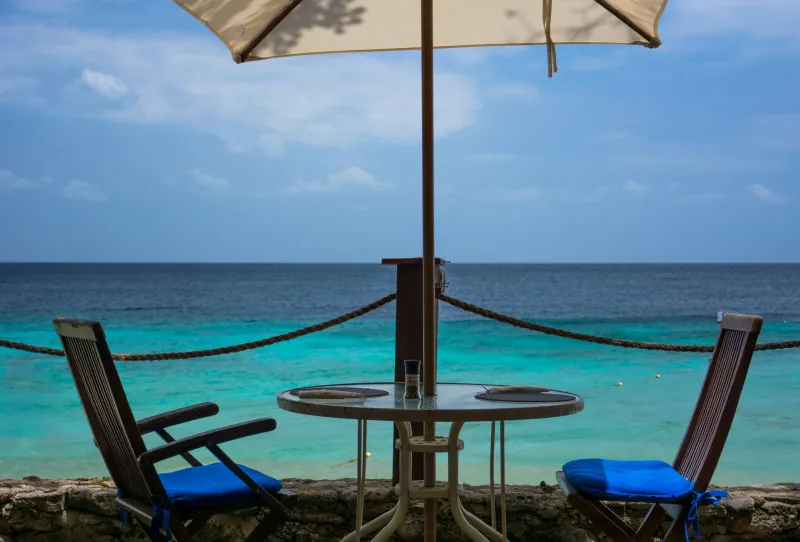
The villa at the edge of the bay has changed little since 1974. The rattan has been replaced, the linens upgraded, the private pool added in the nineties. But the shuttered windows still open onto the same water, and every June, the same family arrives — though the faces at the breakfast table have shifted, slowly, over five decades.
The grandparents came first, honeymooners with a disposable camera and a reservation made by letter. Their children came after, first as reluctant teenagers, later as parents themselves. Now the grandchildren book it — the same villa, the same week, sometimes the same table at the same restaurant on the same night of the week — from an app their grandfather would find incomprehensible, for reasons he would understand perfectly.
Dynasties on Both Sides of the Desk
What makes these relationships extraordinary is that they are rarely one-sided. The world's most beloved resort destinations are frequently family enterprises, now in their second or third generation of ownership, and the loyalty flows in both directions. The hotelier who greets the granddaughter of a 1970s honeymoon couple is performing a kind of inherited hospitality — honoring a promise made before she was born.
Veteran hotelier families speak of their guest ledgers the way others speak of family albums. There is the couple who have spent every anniversary at the same property for forty-one years. The patriarch who, near the end of his life, requested that his ashes be scattered off the resort's dock. The daughter who books her father's usual room each year on his birthday, not to stay in it, but simply to keep the connection alive.
General managers who inherited properties from their parents describe the peculiar intimacy of this work. They remember the guests their parents remembered. They know which families arrived broken by grief and which arrived to celebrate, and they have watched the same children grow from sandcastle engineers to adults who now bring their own children to the same shore.
The Rituals of Return
Legacy guests travel with rituals that no operations manual could prescribe. The family that always dines at the corner table on the first night, because that is where the patriarch proposed to the matriarch in 1981. The brothers who measure their children against the same doorframe each summer, a pencil line archaeology of growth spurts. The woman who requests the same room her late husband loved, and asks that nothing in it be changed.
Properties that serve these families learn a kind of hospitality that is closer to guardianship. Renovations are weighed against memory — will the new terrace feel like a betrayal to the guests who were married on the old one? Staff longevity becomes part of the product; a waiter of thirty years is not merely an employee but a witness, someone who remembers the grandchildren as infants in high chairs.
Why the Oldest Luxury Endures
It would be easy to assume that the age of instant booking would erode such bonds. The opposite has occurred. American travelers, presented with infinite options at every price point, report a curious fatigue — the paradox of choice applied to paradise. Against that backdrop, the decision that requires no decision carries its own quiet prestige. The family does not research where to go. They know where they go.
There is a lesson here for the industry, and for travelers building their own traditions. Loyalty programs can track stays; they cannot create meaning. What binds a family to a villa across fifty years is not points or perks but accumulated experience — the sense that a place holds your history, and that someone there is keeping it safe.
The granddaughter in the villa at the edge of the bay will one day bring her own children. The shutters will open onto the same water. And somewhere a hotelier, third of her line, will greet them by name — a name she has known all her life.