The New Currency of Travel: Why America's Most Affluent Explorers Are Trading Gold Leaf for Genuine Experience
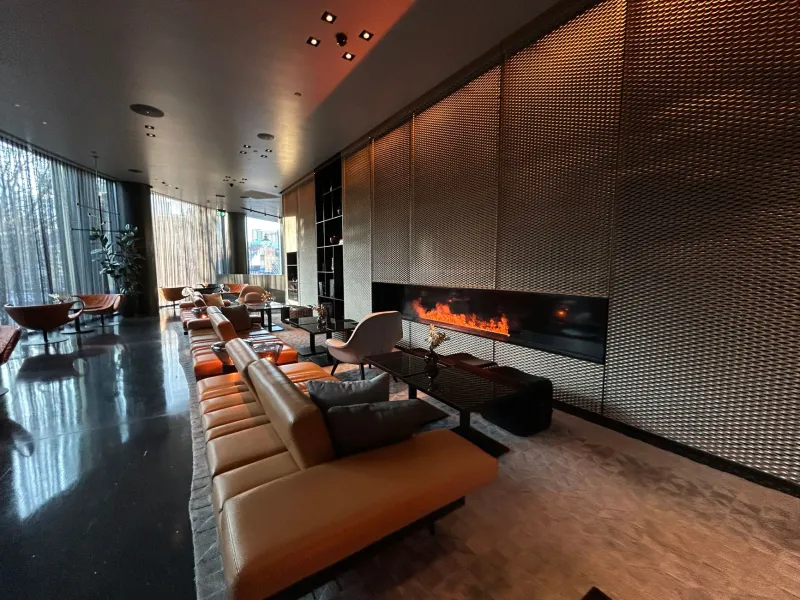
Not long ago, the grammar of luxury travel was relatively straightforward. The finest properties announced themselves through scale and material splendor — soaring atriums, hand-cut marble, staff ratios that bordered on the theatrical. For a certain generation of affluent American traveler, these signals were sufficient. They communicated arrival, in the social sense: you had made it, and the world around you reflected that fact at every turn.
That grammar is being quietly rewritten.
Across the upper tier of American travel — among the executives, entrepreneurs, and professionals who think nothing of allocating $25,000 or more to a single trip — a different set of values is asserting itself. The conversation has shifted from where one stays to what one experiences; from the grandeur of the property to the intimacy of the encounter. Opulence, it turns out, is easy to replicate. Genuine human connection is not.
"My clients used to open with suite specifications," says Meredith Calloway, a luxury travel advisor based in New York City who has spent fifteen years curating itineraries for high-net-worth individuals and family offices. "Now they open with questions like, 'Can I actually meet the people who live there?' or 'Is there a way to experience this place the way someone who truly belongs there would?' The ask has fundamentally changed."
The Saturation Point
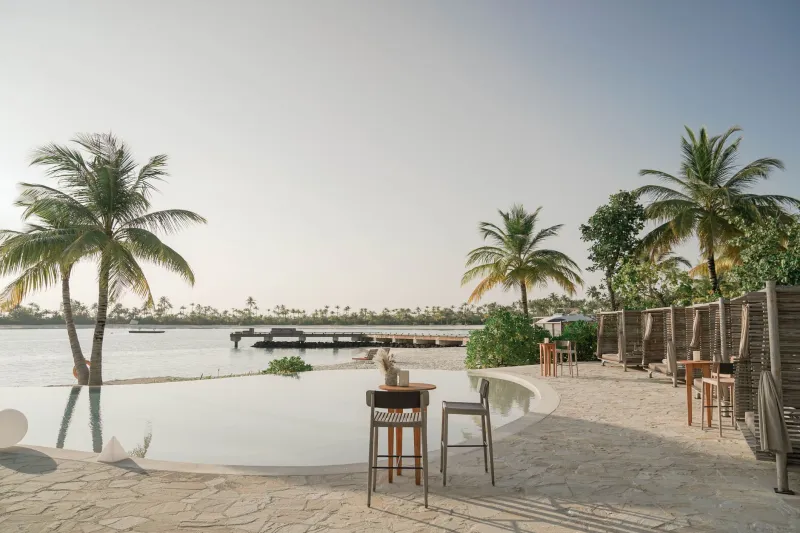
To understand why this shift is happening, it helps to consider what has changed in the broader landscape of affluence. The generation now reaching peak spending power in the travel market — broadly, Americans in their forties and fifties who have accumulated significant wealth — grew up in an era of experiential acceleration. They have, in many cases, already stayed at the most celebrated properties on multiple continents. The infinity pool overlooking the Indian Ocean is no longer a revelation; it is a reference point.
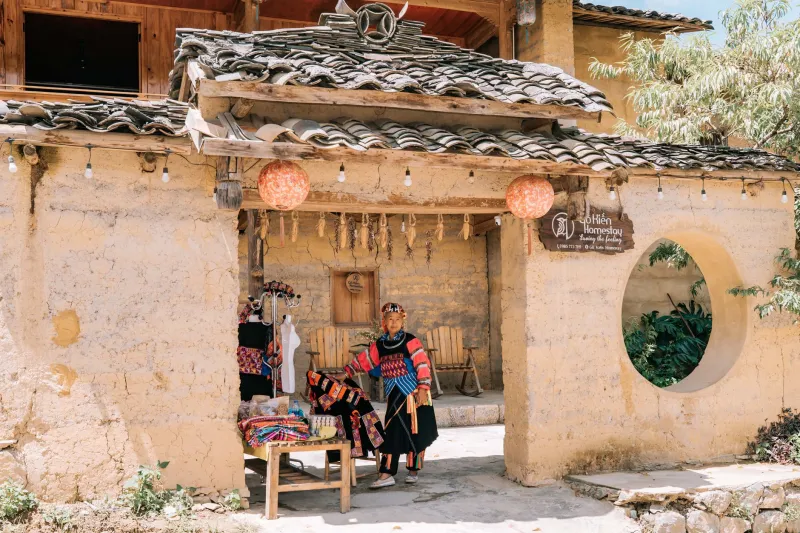
When the material markers of luxury become familiar, they lose their power to satisfy. What takes their place is something more elusive and, ultimately, more valuable: the sense of having accessed something that cannot be purchased through conventional means. A private dinner with a third-generation olive oil producer in Crete. A morning spent with a master lacquerware artisan in Kyoto who has never before hosted foreign guests. A tour of a centuries-old family estate in the Dordogne, led by the family itself.
These are experiences that money alone does not unlock. They require relationships, cultural fluency, and a hospitality philosophy oriented toward depth rather than display.
"The word I hear most often from clients now is 'real,'" says James Whitmore, a travel advisor specializing in bespoke itineraries for American families traveling to Europe and Latin America. "They want something that feels real. Not staged, not curated in the sense of being artificial, but genuinely encountered. That's a harder thing to deliver than a butler and a plunge pool, and they know it."
How Savvy Properties Are Responding
The hospitality industry's most forward-thinking operators have recognized this shift and are responding with programs that would have seemed eccentric — even counterproductive — a decade ago. Rather than investing solely in physical upgrades, they are investing in relationships: with local artisans, family-run producers, community elders, and cultural custodians who can offer guests something no renovation budget can provide.
In Oaxaca, Mexico, a small collection of high-end boutique properties has built programming around access to indigenous textile weavers, mezcal producers, and chocolate makers whose families have practiced their crafts for generations. Guests do not merely observe; they participate, often spending a full day working alongside artisans who have no particular interest in tourism but have developed trust with the property over years of genuine relationship-building. The result is an encounter that feels nothing like a hotel amenity — because it isn't one. It is a human connection, facilitated by an institution that has earned the right to make the introduction.
In Japan, several ryokan properties operating at the upper end of the market have developed similar frameworks. Rather than simply offering guests a traditional kaiseki dinner, they arrange for the chef — often the inheritor of a culinary lineage spanning multiple generations — to speak at length about the philosophy behind each course, the seasonal ingredients sourced from specific farms, and the way the meal reflects a particular region's relationship to the natural world. The conversation transforms the meal. Guests who might have consumed it with polite appreciation instead find themselves genuinely moved.
In the American domestic market, properties like The Inn at Little Washington in Virginia and Dunton Hot Springs in Colorado have long understood that the most memorable luxury experiences are rooted in place and personality. These are not interchangeable properties that happen to be located in attractive settings; they are deeply specific expressions of a particular landscape and a particular sensibility, and guests feel that specificity in every interaction.
What This Means for the Luxury Traveler
For American travelers navigating this evolving landscape, the practical implications are significant. Choosing a property on the basis of amenity lists and star ratings alone is increasingly likely to produce a stay that is comfortable but unmemorable. The experiences that generate the stories told for years afterward — the ones that shift perspective, deepen appreciation, and create genuine connection — tend to emerge from properties that have invested in the human and cultural infrastructure necessary to facilitate them.
This requires a different kind of research, and often a different kind of advisor. The travel professionals best positioned to deliver authentic experiences are those who have spent time in the destinations they recommend, who have relationships with the local operators and artisans they propose, and who understand that the goal is not to fill an itinerary with impressive names but to create a coherent journey with genuine depth.
"I tell clients to think less about the property's rating and more about its philosophy," says Calloway. "Does it exist in relationship with its surroundings, or does it exist in spite of them? That question tells you almost everything you need to know."
The Deeper Meaning of Luxury
There is something quietly significant in this trend that extends beyond hospitality economics. The affluent American traveler's turn toward authenticity reflects a broader cultural reckoning with what wealth is actually for. When the material rewards of success have been largely secured, the question of meaning becomes more pressing. Travel — real travel, the kind that disrupts comfortable assumptions and introduces the traveler to lives genuinely different from their own — has always been one of the most reliable answers to that question.
The resorts and properties that understand this are not simply selling a different kind of vacation. They are offering something closer to a different way of being in the world, at least temporarily: more present, more curious, more connected to the full texture of human experience. That, it turns out, is the most durable luxury of all — and the one that no amount of marble can replicate.