The Architecture of Return: Why America's Most Affluent Travelers Are Building Private Sanctuaries Across the Globe Instead of Booking Suites
There is a particular kind of exhaustion that even the finest hotel suite cannot cure. The monogrammed robe, the curated minibar, the view carefully framed by a designer's hand — these pleasures are genuine, and yet they carry within them an expiration date. The checkout time. The inevitable surrender of a space that was never truly yours.
For a growing circle of America's most thoughtful and affluent travelers, that impermanence has become the defining limitation of conventional luxury hospitality — and the catalyst for an entirely different approach to global living.
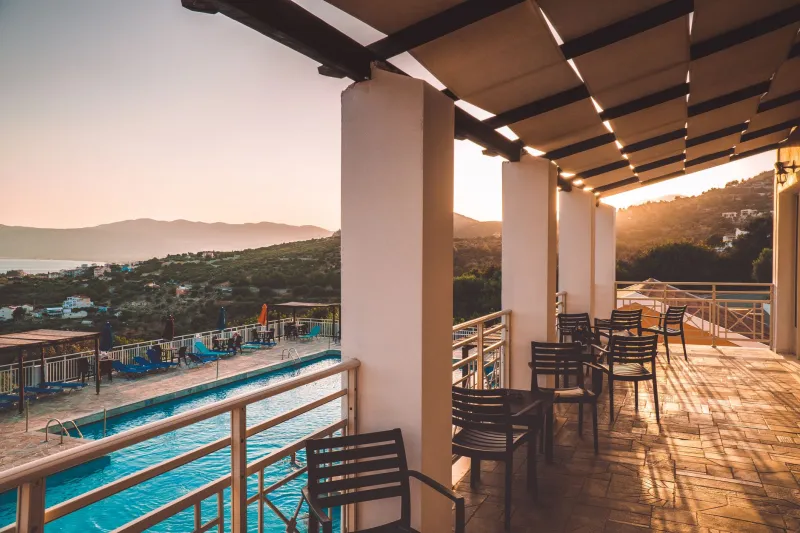
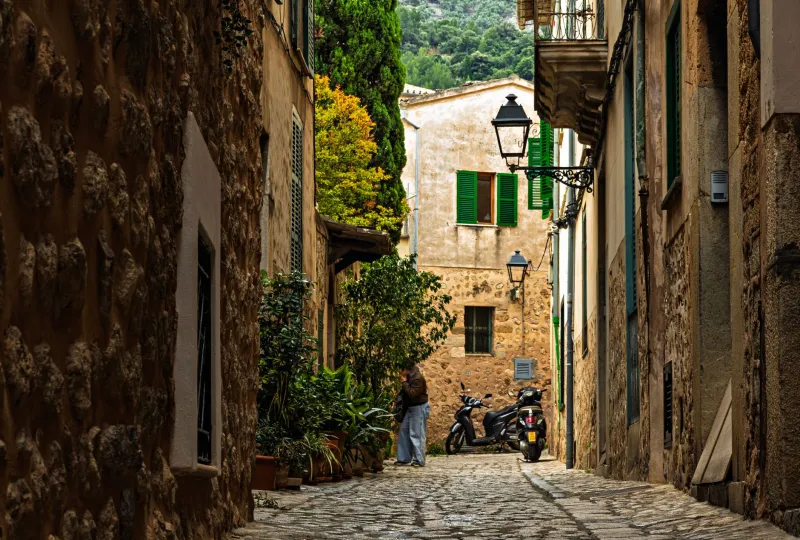
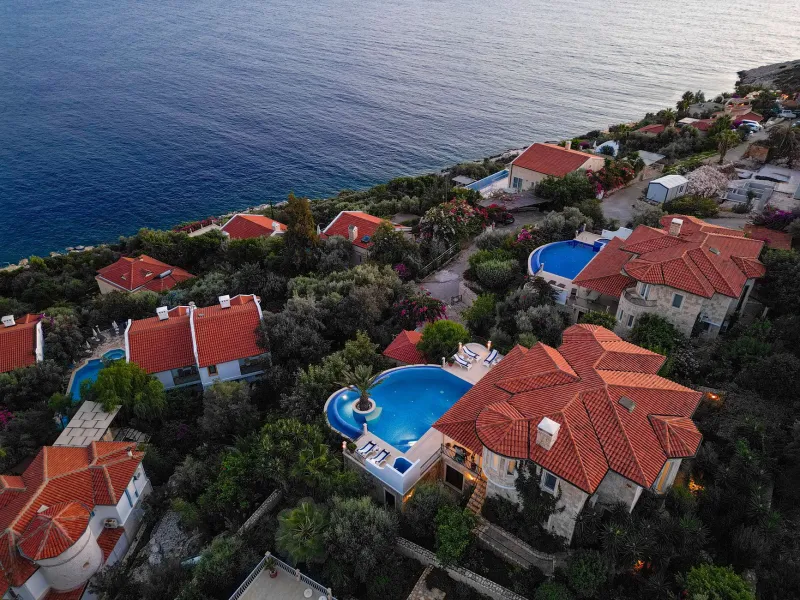
They are not simply buying vacation homes. They are assembling what might best be described as a personal geography: a curated constellation of privately owned retreats, each one chosen for a specific season, a particular emotional register, a distinct chapter of life. A stone farmhouse in the Umbrian hills for slow Septembers. A cliffside villa above the Aegean for the heightened clarity that only midsummer light provides. A hacienda in the high desert of New Mexico for winters that demand stillness. Together, these properties do not constitute a real estate portfolio so much as a deeply considered autobiography written in architecture and landscape.
From Guest to Steward
What distinguishes this emerging cohort from the traditional second-home buyer is the intentionality of their acquisitions. These are not impulse purchases driven by a particularly memorable vacation, nor are they assets selected primarily for their appreciation potential. They are, in the words of one New York-based private client advisor who works exclusively with ultra-high-net-worth families, "emotional infrastructure" — places designed to hold memory, host ritual, and accumulate the kind of layered meaning that no amount of turndown service can manufacture.
The distinction matters. A hotel, however extraordinary, operates on the logic of hospitality: it anticipates your needs, curates your experience, and delivers a version of place that has been refined for consumption. A privately owned retreat operates on an entirely different logic — one of stewardship, familiarity, and the slow accumulation of a personal history within its walls. You know where the light falls on a Tuesday morning in October. You know which terrace captures the last warmth of an evening. The property knows you in return.
This intimacy is precisely what the most discerning travelers are now seeking, and no loyalty program, however generous, can replicate it.
Designing for Seasons and States of Mind
Perhaps the most striking characteristic of this new approach to global property ownership is the deliberateness with which each acquisition is matched to a specific mood or life rhythm. The concept of owning multiple properties is not new among the wealthy, but the framework for selecting and inhabiting them has shifted considerably.
Where previous generations might have acquired a beach house for summers and a ski chalet for winters, today's ultra-affluent traveler thinks in far more nuanced terms. Properties are chosen for their capacity to support particular states of being: creative solitude, active family gathering, romantic retreat, intellectual renewal. One family might maintain a working ranch in Montana for the grounding effect of physical labor and open land, alongside a pied-à-terre in Lisbon for the stimulation of urban culture, and a remote retreat in coastal Japan for the particular quality of silence that no Western landscape quite replicates.
Interior designers and architects who work at this level speak of a new vocabulary emerging among their clients — one in which the conversation begins not with square footage or amenity lists, but with questions such as: What do you want to feel when you arrive? Who do you want to become in this place? What should this property ask of you?
The Legacy Dimension
Underlying much of this movement is a desire that transcends personal pleasure: the ambition to create something enduring. Many of the families now assembling these global retreats are thinking explicitly in generational terms, acquiring properties with the intention of passing them forward — not as financial instruments, but as shared inheritances of place and memory.
This represents a meaningful departure from the transactional relationship that has long characterized even the most luxurious travel. The five-star resort offers an exceptional present-tense experience; the privately owned sanctuary offers continuity. It becomes the place where a family marks its milestones, where children absorb the particular light and rhythm of a foreign landscape until it becomes, in some essential way, their own. It is the geography of a family's inner life made tangible.
Estate attorneys and family office advisors report that conversations about property acquisition increasingly overlap with broader discussions about legacy planning — not in the dry language of trusts and succession, but in the richer register of what a family wishes to carry forward and what experiences they want to remain available to those who come after them.
The Role of the Trusted Advisor
Navigating this kind of acquisition requires a category of expertise that sits somewhere between real estate counsel, cultural interpreter, and lifestyle architect. The most effective advisors in this space combine intimate knowledge of specific regions with an almost anthropological sensitivity to how their clients actually live — not how they imagine they will live in a given property, but how they genuinely inhabit space, what they require at different points in the year, and what they are, perhaps unconsciously, searching for.
For American families in particular, the acquisition of properties abroad introduces layers of complexity — legal structures, tax considerations, local customs of ownership and maintenance — that demand both rigorous professional guidance and the kind of on-the-ground relationships that only come with years of presence in a given place. The most sophisticated buyers approach this not as a transaction to be completed, but as a long relationship to be cultivated.
A Different Measure of Wealth
There is, finally, something quietly profound in this shift away from hotel suites toward owned sanctuaries — a recalibration of what it means to travel well. The traditional markers of luxury travel have always been, to some degree, about access: the best room, the most exclusive address, the rarest experience. What this new philosophy proposes is something different. It suggests that the deepest luxury is not access but belonging — the irreplaceable feeling of arriving somewhere that holds your history, anticipates your preferences not because it has been briefed, but because it has simply learned you over time.
In a world where nearly every exceptional experience can be purchased, the one thing that cannot be booked, upgraded, or arranged through a concierge is the feeling of coming home to a place that is genuinely, irreversibly yours.
That, for those who have discovered it, is the architecture of return — and it is changing the meaning of travel itself.