Breathing With Intention: How the World's Most Discerning Travelers Are Prescribing Themselves the Perfect Atmosphere
The Atmosphere as Amenity
For decades, the calculus of luxury travel followed a familiar pattern: the finest suite, the most remote beach, the table that required the longest reservation. What mattered was the experience one could see, photograph, and recount. Yet among America's most discerning travelers — those for whom the conventional five-star checklist ceased to impress some time ago — a more invisible variable has assumed quiet dominance over the itinerary. That variable is the air itself.
This is not a metaphor. An expanding cohort of high-net-worth Americans is now booking travel on the basis of atmospheric data: specific humidity gradients, elevation-related barometric pressures, coastal wind compositions, and the density of negative ions in naturally occurring environments. Where their grandparents traveled to see the Swiss Alps, they travel to breathe them — and to measure, with wearable biometric devices and post-trip bloodwork, precisely what that breathing accomplished.
The movement sits at the intersection of biohacking and high hospitality, and it is reshaping how elite concierges, private physicians, and luxury travel architects construct the modern wellness itinerary.
What the Science Actually Suggests
The physiological case for climate-specific travel is more substantive than wellness marketing typically allows. Research published across pulmonology, environmental medicine, and chronobiology has consistently demonstrated that certain atmospheric conditions produce measurable biological responses — not merely pleasant ones.
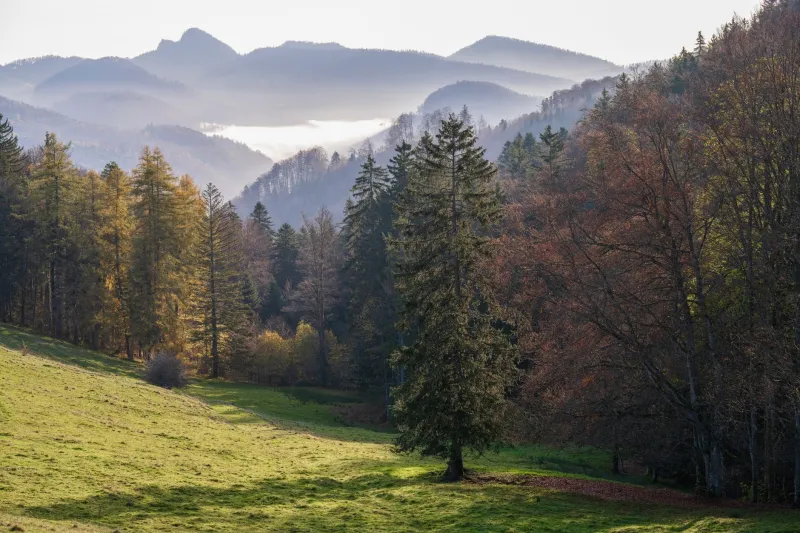
High-altitude environments, particularly those between 4,900 and 8,200 feet, stimulate erythropoietin production, increasing red blood cell density and, consequently, oxygen efficiency. Travelers who spend extended periods at moderate elevation — think the Engadin Valley in Switzerland or the mountain resort zones of northern Japan — frequently report improvements in resting heart rate, sleep architecture, and cognitive clarity that persist for weeks following their return.
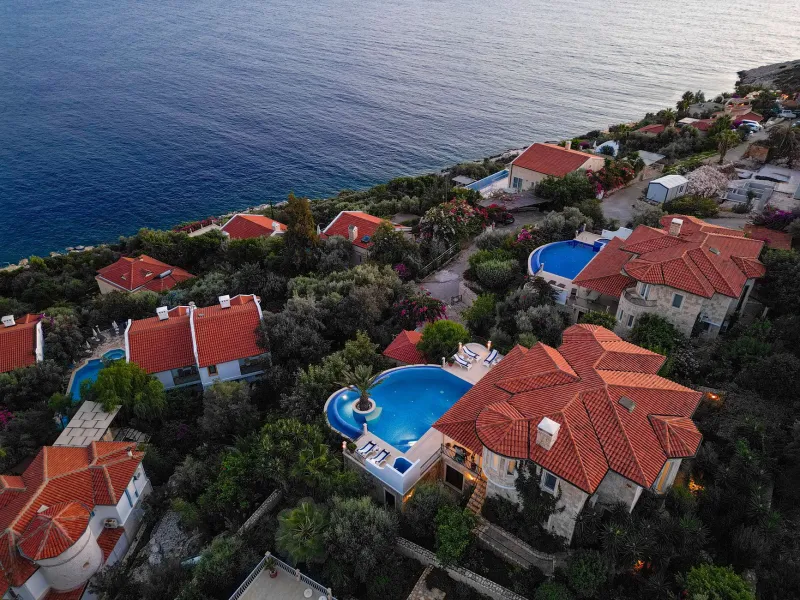
Coastal environments, meanwhile, are not interchangeable. The mineral composition of sea air varies significantly by geography. The Atlantic-facing cliffs of western Ireland carry an iodine-rich aerosol that has long been associated with thyroid support. Certain stretches of the Adriatic and the Aegean release elevated concentrations of magnesium through wave-generated sea spray — a mineral that a significant portion of the American population is chronically deficient in. The thermal winds descending from the Tramontane in southern France carry measurably lower particulate loads than urban coastal environments, offering the kind of respiratory relief that no air purifier can fully replicate.
Negative ionization — the phenomenon most commonly associated with the air near waterfalls, after rainstorms, or in dense forest environments — has been linked in peer-reviewed literature to reductions in serotonin hyperoxidation, a mechanism implicated in anxiety and seasonal mood disruption. The forest bathing traditions of Japan's shinrin-yoku culture have provided the most rigorous clinical framework for understanding how phytoncides, the organic compounds released by trees, modulate cortisol and natural killer cell activity.
For travelers who have already optimized their sleep protocols, nutrition regimens, and exercise routines, the atmosphere they inhabit for two weeks each year represents one of the last significant levers they have not yet pulled.
The Concierge as Climate Consultant
What distinguishes this trend from ordinary wellness tourism is the degree of personalization now being applied to atmospheric prescription. The most sophisticated luxury travel consultancies — operating in the rarified space between traditional concierge service and private medical advisory — have begun integrating client health profiles into destination selection in ways that would have seemed eccentric a decade ago.
A client presenting with elevated inflammatory markers and disrupted circadian rhythms might be directed not to a generic spa retreat, but to a specific valley in Tuscany where the combination of elevation, forest density, and prevailing wind patterns creates a microclimate measurably distinct from the surrounding region. A traveler managing chronic respiratory fatigue might be counseled toward the high-desert air of certain Moroccan mountain villages, where extraordinarily low humidity and minimal allergen load have made the region a quietly known destination for pulmonary recovery.
Some properties have begun hiring what might be described as atmospheric advisors — professionals with backgrounds in environmental medicine or bioclimatology who consult with arriving guests on how to sequence their time across a property's varied microclimates. A morning walk through a coastal pine grove, an afternoon at higher elevation, an evening seated beside a natural thermal spring: each transition is designed to layer physiological benefit rather than simply vary the scenery.
The Properties Leading This Conversation
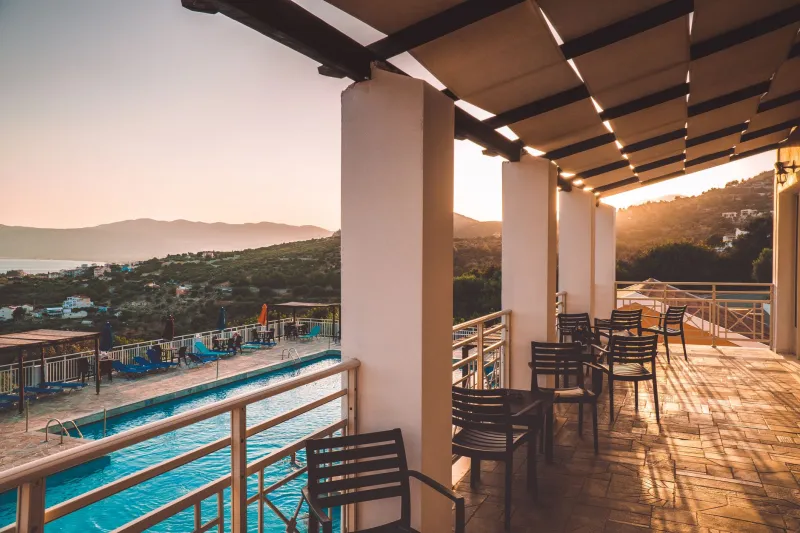
A handful of ultra-luxury estates and resort collections have moved well beyond the standard spa menu to position the surrounding environment itself as the primary wellness offering. In the Austrian Tyrol, certain historic retreat properties have long understood that their elevation, their proximity to glacial meltwater streams, and the composition of their surrounding spruce forests constitute a therapeutic asset as valuable as any treatment room. The architecture of these estates — with their orientation toward prevailing clean-air corridors and their deliberate integration of outdoor thermal bathing — reflects a centuries-old intuition now validated by contemporary science.
In the American context, the high desert environments of northern New Mexico and the coastal redwood corridors of Northern California have attracted a new generation of discreet wellness estates that explicitly market their atmospheric conditions alongside their accommodations. Guests arrive with health data and depart with follow-up protocols, having treated their stay less as a vacation than as an environmental intervention.
The Azores, still relatively unknown to mainstream American luxury travelers, represent perhaps the most compelling emerging destination in this space. The archipelago's unique position in the mid-Atlantic creates an atmospheric profile unlike anywhere else in the European sphere: consistently mild temperatures, extraordinary air purity by measured particulate standards, geothermal mineral presence in both water and vapor, and a barometric stability that many visitors describe as producing an almost immediate reduction in systemic tension.
Traveling With Data
What separates the most sophisticated practitioners of climate-conscious travel from casual wellness tourists is the discipline of measurement. Biometric wearables capable of tracking heart rate variability, blood oxygen saturation, skin temperature, and sleep staging have made it possible to generate genuinely comparative data across different environments. Travelers who take this approach seriously often maintain multi-year atmospheric journals — detailed records of how specific destinations affected their physiology under specific seasonal conditions.
This level of rigor changes the nature of the travel conversation entirely. The question is no longer simply where would you like to go? It becomes something more precise: what does your body need, and where on earth does that thing exist in its purest form?
For those who have arrived at that question honestly, the world reveals itself as something more nuanced than a collection of beautiful places. It becomes a pharmacopeia — vast, varied, and extraordinarily generous to those who know how to read it.